Best Metal Roof Coatings and Fastener Inspections for Avalon, NJ Oceanfront Homes
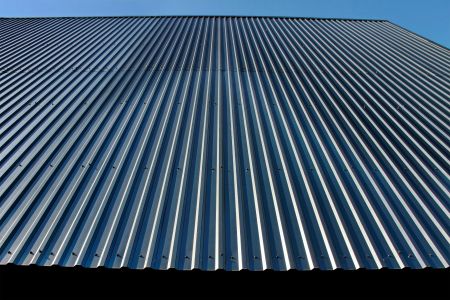
Living on Seven Mile Island is special. It is also tough on metal roofs. Salt spray, high winds, and winter Nor’easters work on seams, coatings, and fasteners day after day. This guide explains how to spot early problems and which coatings hold up best so you can extend your roof’s life. If you want a pro plan that fits our coast, explore our coastal metal roofing services with Seapoint Roofing and Siding.
Why Coastal Metal Roofs in Avalon, NJ Need Special Care
Avalon roofs face salt crystals, sand, and long sun exposure. Salt crystals pull and hold moisture against metal, which speeds up oxidation. Wind-driven sand can scuff paint films. Intense summer sun bakes panels and leads to thermal movement that loosens clips and screws over time. These forces combine faster here than inland, especially along Ocean Drive, Dune Drive, and the south end facing Townsend Inlet.
How Salt Spray Triggers Early Corrosion
Salt-laden mist settles on panels and in seams. When morning dew arrives, those salts dissolve and make a thin, conductive film. That film attacks scratches in the paint or any exposed cut edges first. It also speeds tiny reactions where different metals touch. You may not see red rust right away. Early signs often look like dulling paint, powdery chalk, or tiny bubble-like blisters near fasteners and seams.
Galvanic Pairs and Mixed Metals
Metal roofs often combine steel panels, aluminum trims, stainless clips, and coated fasteners. When dissimilar metals meet and stay wet, the less noble metal gives up ions and corrodes. Watch transitions like ridge caps, pipe boots, and where panels meet copper or aluminum gutters. A faint halo or whitish crust around a contact point suggests a galvanic hotspot starting.
Paint Systems, Chalk, and Film Erosion
Quality PVDF paints resist UV well, but coastal air still wears them down. Chalking shows up as a dusty residue that rubs off on your hand. On shore properties, expect faster chalking on windward slopes. Once the film thins, panels heat up more and move more, which can strain clips and washers. That cycle raises the chance of leaks later if not addressed.
What To Look For During Post-Storm and Seasonal Checks
A predictable inspection rhythm pays off on the barrier island. After each major winter Nor’easter and during shoulder seasons, a trained roofer should check high-stress areas before small issues grow.
- After Nor’easters from December through March: look for seam separation, creased ribs, and lifted ridge or hip trim on windward slopes.
- Each April: scan for salt crust buildup, chalking, and early rust halos at exposed screws and cut edges.
- Each October: inspect for aged sealant at laps and penetrations before nor’easter season returns.
- Any time after unusually high tides or bay flooding: confirm clips along eaves and edges are snug and watertight.
These visits protect homes along both the oceanfront and the bayfront, where wind swirl can be even harsher near the bridges and in open inlets.
Spotting Early Fastener Fatigue on Standing Seam and Corrugated Panels
Fasteners work hard in Avalon. Daily heat and cool cycles cause panels to expand and contract. Over time, this movement can loosen clip screws on standing seam systems and panel screws on corrugated roofs. You are not looking for loose screws yourself. You are watching for the clues that tell a pro to tighten, replace, or re-seal fasteners before a leak starts.
Here are common early clues:
- Shadows or shiny rings around screw heads on corrugated panels. This suggests washers are drying out or compressing unevenly.
- Brown or black halos at fasteners. These rings can indicate coating wear or early corrosion tracking outward from the hole.
- “Zipper” lines on standing seams where adjacent seams appear slightly misaligned. That can signal clip stress under the panel.
- Small water stains on decking edges in attic spaces after wind-driven rain. This often traces back to a single tired fastener or seam, not a failed roof.
Addressing these small signs fast can preserve the entire system. **Waiting until fasteners back out or washers crumble invites water into laps and insulation.**
Coatings and Sealants That Stand Up To Coastal Air
Not all products behave the same near the ocean. On Seven Mile Island, hardened salt crystals and long sun exposure reward systems with strong UV resistance, flexibility, and strong adhesion over factory finishes.
Silicone roof coatings with high solids content adhere well to many factory-painted metals and resist ponding and salt. Aliphatic polyurethane topcoats add scuff resistance and keep color longer. For touch-ups on scratches and cut edges, fluoropolymer-based paints that match panel chemistry help shield vulnerable steel. At laps and penetrations, butyl-based seam sealants and butyl tapes stay flexible and resist washout in wind-driven rain.
Choosing among these is not one-size-fits-all. A pro considers your panel type, age, factory paint system, and how close your roof sits to breaking surf versus the back bay. **The right combination can cut heat gain, seal micro-cracks, and slow salt damage without trapping moisture.**
Repair or Replace? Smart Ways To Save Your Roof
Homeowners often worry that a small leak means a full replacement. Many times it does not. Our coast punishes edges, penetrations, and fasteners first. If panels are sound and seams lock tight, targeted fixes can keep a roof going for years.
Good candidates for isolated repair include:
- Localized coating loss with tight seams and no panel rust-through.
- Fastener halos or minor washer aging on a few windward runs.
- Small scratches at cut edges or ridge trims with stable underlying metal.
Signs that point to broader work include widespread panel rusting, repeated seam separation on multiple exposures, or failed underlayment causing deck damage. A careful inspection finds the line between smart repair and bigger projects. **Replacing fatigued fasteners, sealing targeted laps, and adding an appropriate coating layer often prevents a premature full replacement.**
A Proven Inspection Schedule For Seven Mile Island Homes
Here is a simple, local-first plan many Avalon homeowners follow with a qualified roofer:
Twice yearly in April and October, schedule a full roof check with special focus on windward eaves, ridges, skylights, and pipe boots. After each major Nor’easter in winter, plan a focused storm check for seam movement, fastener fatigue, and fresh salt crust. Homes facing the open ocean or wide bay fetches near Townsend Inlet may benefit from an extra mid-summer review.
A pro will document changes with photos, map out hotspots along eaves and hips, and track wear patterns over time. That record helps decide when to swap a handful of screws, reinforce a lap, or plan a coating application across select slopes. The goal is simple. Keep water out and stop corrosion before it starts.
Local insight: On windy spring days, salt mist can travel blocks inland along Dune Drive. Even if your home is not directly on the beach, salt film can still settle on leeward slopes. A quick rinse during service visits helps limit buildup and reduces long-term wear.
What A Pro Looks For On Standing Seam Roofs
Standing seam systems rely on hidden clips and locked seams. A roofer checks for subtle seam distortion, clip pull, or oil canning that worsens under heat. They also verify that ridge and hip caps sit tight and that sealant under hems is intact. Small laps at skylights or vent stacks can dry out faster near the ocean and need a fresh bead or tape to keep them watertight.
On older roofs, a technician may recommend selective fastener upgrades at high-load zones like corners and ridge ends. This often pairs with a coating strategy that refreshes UV protection and bridges hairline film cracks. Pairing targeted fastener work with coatings is a strong one-two for coastal homes.
What A Pro Looks For On Corrugated Metal Roofs
Corrugated panels expose fasteners to the weather, so washers are key. A roofer checks washer elasticity, compression, and alignment. They also watch for cracks along high ribs where wind works the panel most. If panels are sturdy, targeted screw replacement and spot coating can extend service life without disturbing large areas.
Coating Application Basics For Coastal Conditions
Application timing matters at the shore. Ideal coating days are dry with moderate temperatures and low wind, usually spring and fall. Surfaces must be clean and free of chalk and salt film so primer and topcoat bond. Pros often use detergent washes followed by fresh water rinses, then allow complete drying before priming. This step is crucial. **Coatings over salt-laced dust can fail early even if the product is premium.**
Edges, seams, and fastener lines get special attention with primers and mastics designed for metal. High-solids silicone or compatible polyurethane topcoats finish the system. Color selection can also reduce heat load on south and west slopes, lowering movement stress on clips and screws.
When Small Fixes Beat Big Projects
Many Avalon homes along the beach and bay thrive on a “repair first” mindset. Replacing a cluster of aging fasteners on windward eaves, resealing pipe boots, and coating select slopes can create real gains. This targeted plan helps homeowners avoid disrupting trim, gutters, or solar mounts and keeps the building envelope intact.
If you are comparing options, review a photo report that highlights the exact areas of concern. Ask how a panel-by-panel repair or a slope-specific coating could perform against wind and salt. A seasoned coastal roofer will walk you through the tradeoffs and set a schedule that fits your home and the weather window.
Partner With Seapoint Roofing and Siding For Coastal Durability
Our team understands Avalon’s microclimates, from open oceanfront to bay-facing lots. We track how each Nor’easter shifts wear patterns, then tailor inspections and maintenance that match your panel type and exposure. If you want a deeper look at material options, coatings, and service plans, review our page on coastal metal roofing and see how we prepare roofs for salt, wind, and sun.
If you prefer to start broad, you can also learn more about metal roof repair in Avalon, NJ and schedule a visit that fits your calendar. A quick exterior check often answers whether a focused repair or a larger project makes sense.
Your Post-Storm Checklist With A Pro
After a winter blow, a fast walk-through with a roofer goes a long way. Expect them to clear debris at valleys, verify cap and rake trims, and re-inspect prior hotspots. They will note any fresh creases or paint loss and decide if a single fastener row needs attention. If a coating touch-up is smart, they will choose chemistries that fit your roof’s existing paint and the day’s weather.
Homeowners sometimes worry about coating near the ocean. With proper cleaning, adhesion testing, and compatible primers, coatings can be a strong defense. They slow UV damage, seal micro-defects, and help prevent salt from reaching bare metal. The key is good prep and timing the work during the right weather window.
Ready To Protect Your Roof? Next Steps
Stop small problems before they grow. Book a seasonal inspection with Seapoint Roofing and Siding and get a clear plan for your metal roof. Call 609-288-5982 to schedule. Or, if you prefer online, start here and review options for your home’s exposure by visiting our page on metal roofing. We will map out fastener care, targeted repairs, and coatings that stand up to Avalon’s salt spray so your home stays dry and protected all year.
DON’T DELAY ON YOUR HOME’S NEEDS. CONTACT Seapoint Roofing and Siding IN OCEAN CITY & SURROUNDING AREAS