Emergency Roof Repair Ocean City NJ: How to Handle Salt Air Corrosion & Storm Damage
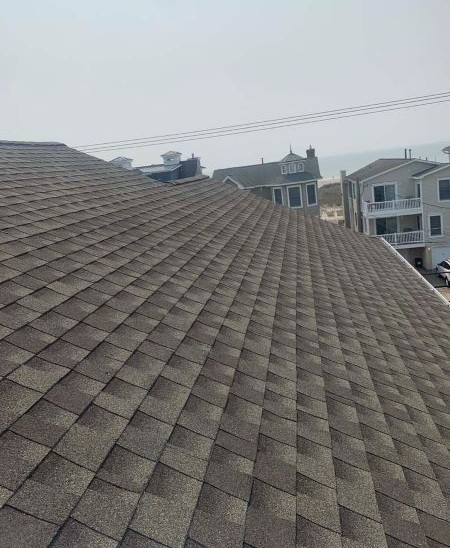
Living in Ocean City, NJ means ocean views, fresh breeze, and a tough environment for your roof. Salt air, steady wind, and seasonal storms wear out shingles and metal faster than inland homes. If you need emergency roof repair in Ocean City, NJ, this guide explains the real coastal risks, what a pro will do, and how to protect your home without guesswork.
When shingles lift or flashing loosens, water can move fast through the roof deck and into ceilings. If your home has asphalt shingles, learn how stabilization and replacement are handled by reviewing our asphalt roofing options and process in one place.
Homeowners often ask about Ocean City roof leak repair cost. Pricing varies by home size, roof pitch, materials, and season, so it’s best to have a licensed roofer inspect first. If you are searching for Emergency Roof Repair Ocean City, NJ, you are in the right place with a local team that understands the barriers of bay winds and ocean spray.
Why Salt Air Wears Out Roofs Faster In Ocean City
Salt crystals ride wind and sea spray onto your roof. The chlorides attract moisture and speed up corrosion on nails, flashing, and vents. UV exposure and sand abrasion compound the wear, especially along the Gold Coast, Gardens, and South End where wind fetch is strongest.
- Granule loss and bare spots on shingles where salt and wind have scoured the surface
- Blistering, curling, or brittle tabs that crack with light handling
- Corroded fasteners or flashing, sometimes with rusty streaks near dormers and chimneys
- Persistent black or green staining; algae thrives in damp, salty air
Corrosion can creep beneath the surface. That is why a thorough roof evaluation looks beyond shingle faces to underlayments, ridge vents, and transition points at walls and skylights.
What Storms Do To Coastal Roofs
Coastal storms attack from every angle. Summer squalls dump inches of rain in an hour. Autumn nor’easters stack days of onshore wind that drives water under laps and into nail holes. Hurricanes spin gusts that try to lift shingles from the edges, especially along open exposures in the North End and bayfront blocks like Merion Park.
Wind pressure is strongest on eaves, rakes, and ridgelines. When uplift breaks the seal, rain rides the wind under the shingle line. Impact from flying limbs can bruise mats you cannot see from the ground. Water may travel along rafters and drip a room away from the entry point, which is why locating the source requires a trained eye.
When You Need Emergency Roof Repair In Ocean City, NJ
Time matters during an active leak, but safety comes first. Do not climb onto a wet or storm-damaged roof. Keep people and pets clear of damp ceilings, place a bucket under drips, and move valuables away from the area. Call a licensed roofer who works in coastal conditions and document what you see from the ground with clear photos.
Next, protect your home’s interior. Turn off power to wet fixtures or rooms if it is safe to do so. Contact your insurer to open a claim number. A professional will confirm the entry point, install temporary measures, and provide a written report you can share with your carrier.
If shingles are missing on an asphalt system, the repair plan may span emergency dry-in followed by permanent replacement of damaged sections. You can preview how materials and methods fit together on our asphalt roofing page so you know what to expect during the next clear weather window.
Professional Emergency Roof Repair Process In Ocean City
Coastal homes need a proven process. Here is what a skilled roofer typically does the same day or next clear day:
- Moisture-focused inspection that traces the leak path, checks attic ventilation, and tests suspect fastener lines
- Temporary dry-in of the affected slope, sealed edges, and attention to ridge, valley, and wall transitions
- Documentation with photos and notes for your records and insurer
- Plan for permanent repairs, including corrosion-resistant fasteners and compatible flashing metals
An inspection is the foundation of a successful fix. To understand the scope and prevent repeat issues, schedule a comprehensive look at problem areas using our page on roof inspections. This helps ensure the final repair addresses the cause, not just the symptom.
Material Choices That Stand Up To Salt Air
Not all products are equal near the ocean. Materials that perform well inland might fail early here. Your roofer will recommend assemblies that resist salt, wind, and sun while fitting your home’s style from the Riviera to the South End.
Fasteners matter in coastal zones. Stainless steel or hot-dip galvanized nails hold longer than standard electro-galvanized nails. Flashings and vents should be compatible metals to reduce galvanic corrosion. A high-quality underlayment with strong seals around nails helps block wind-driven rain.
Many Ocean City homes still use architectural asphalt shingles with coastal-rated adhesives and algae resistance. Others consider standing seam on select areas for added wind hold and longevity. To compare durability and design options, explore our overview of metal roofing and how it handles storms on open exposures.
Seasonal Timing And Local Weather Windows
Atlantic hurricane season runs through late fall, and nor’easters can arrive from October into early spring. Your roofer will target calm, dry windows for permanent repairs, then return to confirm performance after the first hard rain. Along open ocean blocks, crews may stage materials early in the day and move quickly between gusts to reduce time your decking is exposed.
Work also varies by neighborhood details. Taller homes near the Boardwalk or on corner lots may need additional tie-offs and staging because of crosswinds. Bay-facing homes see more salt fog on cool mornings, which can slow sealants from curing. Your project plan should reflect these microclimates for better results.
Schedule a proactive check before peak storm periods. This simple step can uncover lifted edges, brittle tabs, or loose flashings that often lead to emergency calls after the first big blow.
How To Prevent The Next Emergency
Prevention costs less disruption than emergency calls. Ask your roofer to establish a maintenance rhythm that aligns with Ocean City’s weather cycle and your roof system. A light, regular touch keeps small weaknesses from turning into soaked drywall or damaged insulation.
Use this quick framework to guide your planning with a pro:
- Edge defense: confirm sealed rakes and eaves where winds attack first
- Metal integrity: check flashing joints and replace mismatched metals that spark corrosion
- Ventilation: ensure balanced intake and exhaust so heat and moisture do not cook shingles from below
- After-storm review: arrange a fast visual check after nor’easters or big summer cells
Many residents search for NJ coastal roofing contractors after each storm. The better path is building a relationship in calm weather so help is ready when the forecast turns. When you do that, leaks are found early, and materials arrive faster because your home’s specs are already on file.
Real-World Signs Your Roof Needs Attention Now
You do not need to climb a ladder to spot trouble from the ground. Watch for missing tabs, blistered patches, sagging gutters, or staining on soffits. Inside, look for fresh ceiling spots after onshore winds, or a damp attic smell following days of drizzle.
Call quickly when you see fresh staining or hear dripping after wind-driven rain. Rapid response limits swelling in the roof deck and keeps insulation from acting like a sponge. A quick professional dry-in can save walls, floors, and wiring from costly moisture spread.
Working With A Local Roofer You Can Trust
A coastal repair is not just about replacing shingles. It is about assembling the right system for your home’s exposure and style. Local expertise helps match materials to Ocean City’s unique challenges from the Gardens to the South End, including open ocean blocks and sheltered bay streets.
Seapoint Roofing and Siding pairs seasoned crews with coastal-grade materials and careful staging. We communicate clearly, coordinate with your insurer when needed, and keep you updated as weather windows shift. If you are comparing options, review the product families and repair paths summarized on our asphalt roofing page so you can make an informed choice before the next storm cycle.
Fast Help From A Local Team You Can Trust
When a leak appears, speed and skill matter. Call 609-288-5982 to reach Seapoint Roofing and Siding. Our coastal-trained team will inspect, dry-in, and restore your roof with components that resist salt and wind so your home is protected again.
Ready for prompt, professional service today? Book with our local crew for priority scheduling and a clear repair plan. Start here for expert emergency stabilization and permanent fixes on Ocean City homes by visiting emergency roof repair solutions tailored to asphalt systems.
DON’T DELAY ON YOUR HOME’S NEEDS. CONTACT Seapoint Roofing and Siding IN OCEAN CITY & SURROUNDING AREAS