James Hardie vs. CertainTeed: Which is the Best Siding for Coastal NJ Homes?
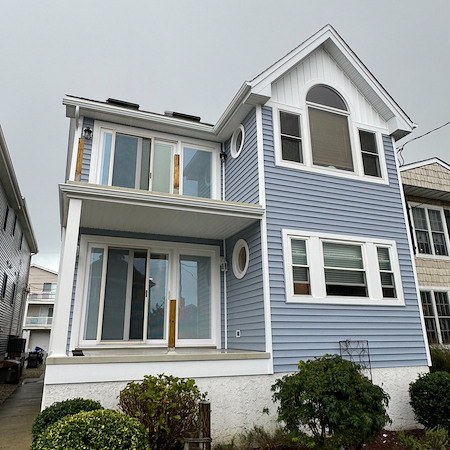
Living on the Jersey Shore offers breathtaking views and a refreshing breeze, but for your home's exterior, it is a high-stakes environment. Between the corrosive salt spray in Ocean City, the relentless UV exposure in Avalon, and the high-velocity winds of a winter Nor'easter, your siding is under constant attack.
Choosing between James Hardie fiber cement and CertainTeed vinyl isn't just a matter of aesthetics—it's a technical decision about how your home will survive the elements over the next thirty years. At Seapoint Roofing and Siding, we specialize in matching materials to your home's specific exposure.
The Comparison Engine: Battle of the Coastal Brands
While many contactors push whatever they have in stock, coastal homes require a more nuanced approach. Here is how the two heavyweights of the industry stack up:
| Feature | CertainTeed Monogram (Vinyl) | James Hardie (Fiber Cement) |
|---|---|---|
| Durability | High impact resistance; won't rot or rust. | Fire-resistant; impervious to pests and rot. |
| Maintenance | Lowest; simple soap and water rinse. | Periodic painting required (usually 15+ years). |
| Coastal Performance | Excellent against salt; wind-rated up to 220 mph. | Superior; won't expand/contract with humidity. |
| Average ROI | High (Most cost-effective upfront) | Highest (Premium curb appeal and resale value) |
Why Coastal Exposure Changes the Rules
Inland homes can get away with standard materials, but NJ coastal roofing and siding must account for Salt Air Corrosion. As noted in our guide to Emergency Roof Repair in Ocean City, salt crystals ride the wind and settle into every crack.
- CertainTeed Monogram: This is often the best siding for coastal homes when the goal is "set it and forget it". Vinyl is naturally immune to salt corrosion. The Monogram line specifically features a heavy-duty "CertiLock" self-aligning system, ensuring that even when the wind howls off the Atlantic, your panels stay locked to the wall.
- James Hardie: Fiber cement is a composite of sand, cement, and cellulose fibers. It is engineered specifically for the Mid-Atlantic climate (the HZ5 product line). It offers a level of rigidity that vinyl cannot match, meaning it won't "rattle" during high-wind events in places like the Gardens or South End.
The Technical Edge: The "Thermal Envelope" & Your Utility Bill
In New Jersey, your siding is the primary defense in your home's "thermal envelope". Most homeowners are surprised to learn about thermal bridging—a phenomenon where heat bypasses your wall insulation by traveling through the wooden studs.
By utilizing energy-efficient siding in NJ, specifically insulated vinyl or fiber cement with a weather-resistive barrier, we create a continuous blanket of protection.
- The R-Value Factor: Standard siding has a negligible R-value. However, when we pair CertainTeed or James Hardie with high-performance underlayments, we significantly reduce the load on your HVAC system during those humid July afternoons.
- Moisture Management: Coastal humidity is a silent killer. We focus on roof inspections and siding evaluations that check for proper flashing at transition points, ensuring moisture doesn't get trapped behind your new siding.
CertainTeed vs. James Hardie Cost: The Real Investment
When comparing CertainTeed vs. James Hardie cost, you have to look beyond the initial estimate.
- CertainTeed: Generally more affordable for both materials and labor. It is the ideal choice for homeowners looking for a beautiful, durable upgrade without the premium price tag of fiber cement.
- James Hardie: The material is heavier and requires specialized tools and more man-hours to install. While the upfront cost is higher, the ROI is often better because of the "real wood" look that increases property value in high-end markets like Margate or Stone Harbor.
The Contractor Vetting Checklist
A premium product installed poorly will fail faster than a cheap product installed correctly. Before you sign a contract for a siding renovation, ensure your contractor meets these New Jersey coastal standards:
- Manufacturer Certification: Are they recogniced installers? Seapoint works extensively with asphalt roofing and siding systems, ensuring we follow strict manufacturer specifications to keep your warranties intact.
- Stainless Steel Fasteners: This is non-negotiable. Standard electro-galvanized nails will corrode in the salt air within years, leading to "rust bleeding" streaks down your beautiful new siding. We use stainless steel to ensure the structural integrity of the installation.
- Local Portfolio: Look for a contractor with a footprint in your neighborhood. We serve Ocean City, Sea Isle City, Brigantine, and beyond.
Seapoint Assurance: We provide a 5-year workmanship warranty on all siding installations. As a locally owned and operated New Jersey contractor, we don't just work here; we live here and understand the unique pressures our coastal weather puts on your home.
Preventing Future Emergencies
Just as we recommend proactive checks for your roof to avoid emergency repairs, your siding requires an occasional eye. Watch for:
- Faded Panels: A sign of UV degradation
- Loose Flashing: Especially around windows and doors where wind-driven rain can penetrate
- Gaps in Caulking: James Hardie requires high-quality sealants at joints to remain watertight
Whether you choose the rugged durability of James Hardie or the low-maintenance versatility of CertainTeed, the goal is a home that remains dry and efficient regardless of what the Atlantic throws at it.
Unsure which material fits your budget? Contact Seapoint Roofing and Siding today to book a Coastal Siding Energy Audit and get a professional recommendation for your home.
DON’T DELAY ON YOUR HOME’S NEEDS. CONTACT Seapoint Roofing and Siding IN OCEAN CITY & SURROUNDING AREAS